Drought Resilience Challenge
Drought resilience challenges occur when provisions for water consumption are not met. Typically, droughts are caused by insufficient water resources availability due to reduced precipitation over a period of time, or long-term over-exploitation of surface water and groundwater.
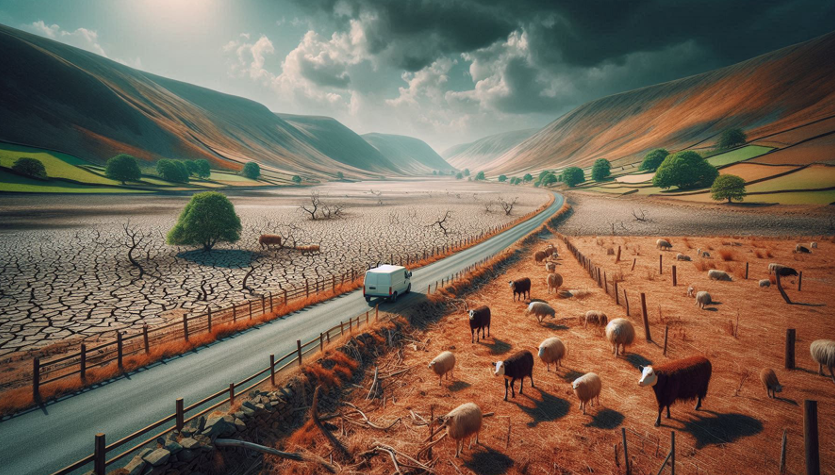
Minor Resilience Challenge
In the UK, minor drought challenges often occur with heat waves, in that a period of hot weather will also incorporate a dry spell of no rain. For regions such as the South West, drinking water is primarily supplied through reservoirs which will generally have ample stored water given the long wet winters that the region faces. However, dry periods and heatwaves towards the middle to end of the summer may create drought risk and the local water company will respond with restrictions on unnecessary consumption, such as temporary hose pipe bans.
Examples
Average Resilience Challenge
For drought challenges to escalate to average in the UK, there normally needs to be a combination of a dry winter and an earlier than expected summer heatwave. Typically, storage reservoirs are filled during winter rains, but if the winter is drier than expected, regions will have fewer reserves.
Examples
Major Resilience Challenge
Major drought challenges typically occur through multiple cycles prolonged summer heatwaves and dry winters.
Examples