Biodiversity Resilience Challenge
Biodiversity resilience challenges occur when the fauna and or flora of an environment is threatened by external sources. Typically, this may occur as a side effect of industrial pollution, or the introduction of non indigenous flora and fauna.
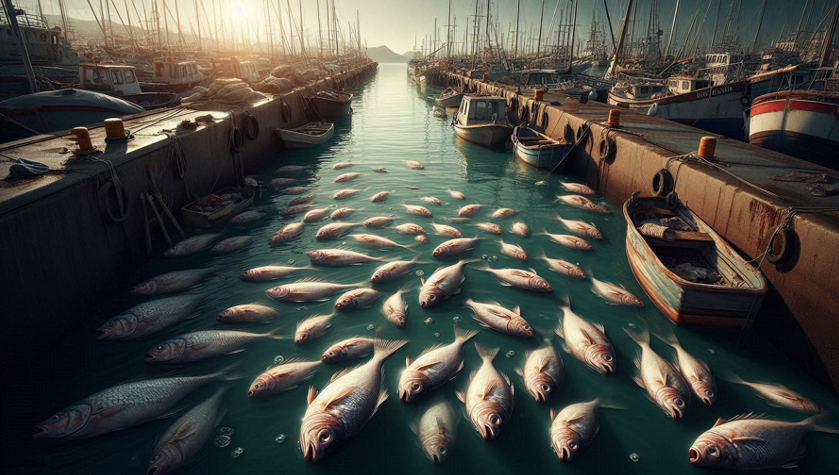
Minor Resilience Challenge
Minor biodiversity challenges can occur locally. For a rural farming area like the South West UK, this is often as a result of poor farming practices, where liquids like milk or fertiliser leach into local rivers and kill off fish and other animals. Whilst this is an absolute catastrophe for the river population, the impact is geographically small and the liquids wash out fairly quickly.
Examples
Average Resilience Challenge
Although an oil tanker spill doesn't sound like an average event, it is an event that does more damage for longer than a minor event and less that the major event. For the South West, the Torrey Canyon spill of 1967 caused a colossal amount of damage to local wildlife, with some estimates that it took the region about 15 years to recover back to normal. However, the incident also impacted the local economy, with Cornwall's beach tourism industry suffering sustained losses. Whilst it's tempting to just think of biodiversity challenges impacting the local fauna and flora, it is clear that these challenges can deeply impact all.
Examples
Major Resilience Challenge
Whilst the minor and average biodiversity challenges sound bad, they both suggest that fauna and flora impacted by the challenges will recover in time, a major biodiversity challenge suggests the extinction of fauna and flora. This is typified by the recent decline in both bee numbers and species, with the assumption that if bees are made extinct, the farming industry collapse given the inability to pollinate crops.
Bee decline is not the only major biodiversity challenge, as industrialisation, urban encroachment and pollution are impacting traditional fauna and flora.
Examples