Construct a Miyawaki Forest interventions_24.html
Miyawaki forests were a method of afforestation pioneered by Dr. Akira Miyawaki, a Japanese botanist and ecologist. This method emphasises the creation of dense, fast-growing, and biodiverse native forests in small areas. It has gained global recognition for its potential to restore degraded ecosystems and combat climate change.
https://www.creatingtomorrowsforests.co.uk/blog/the-miyawaki-method-for-creating-forests
Key Features of Miyawaki Forests:
- Only native species are used, ensuring that the forest aligns with the local climate, soil, and biodiversity.
- The trees are planted very close together, resulting in multiple layers of vegetation (Shrubs – Canopy trees)
- Miyawaki forests grow 10 times faster than conventional plantations, they can mimic a 100 year-old natural forest in just 20-30 years.
- Once established (2–3 years), the forests become self-sustaining and require minimal or no human intervention.
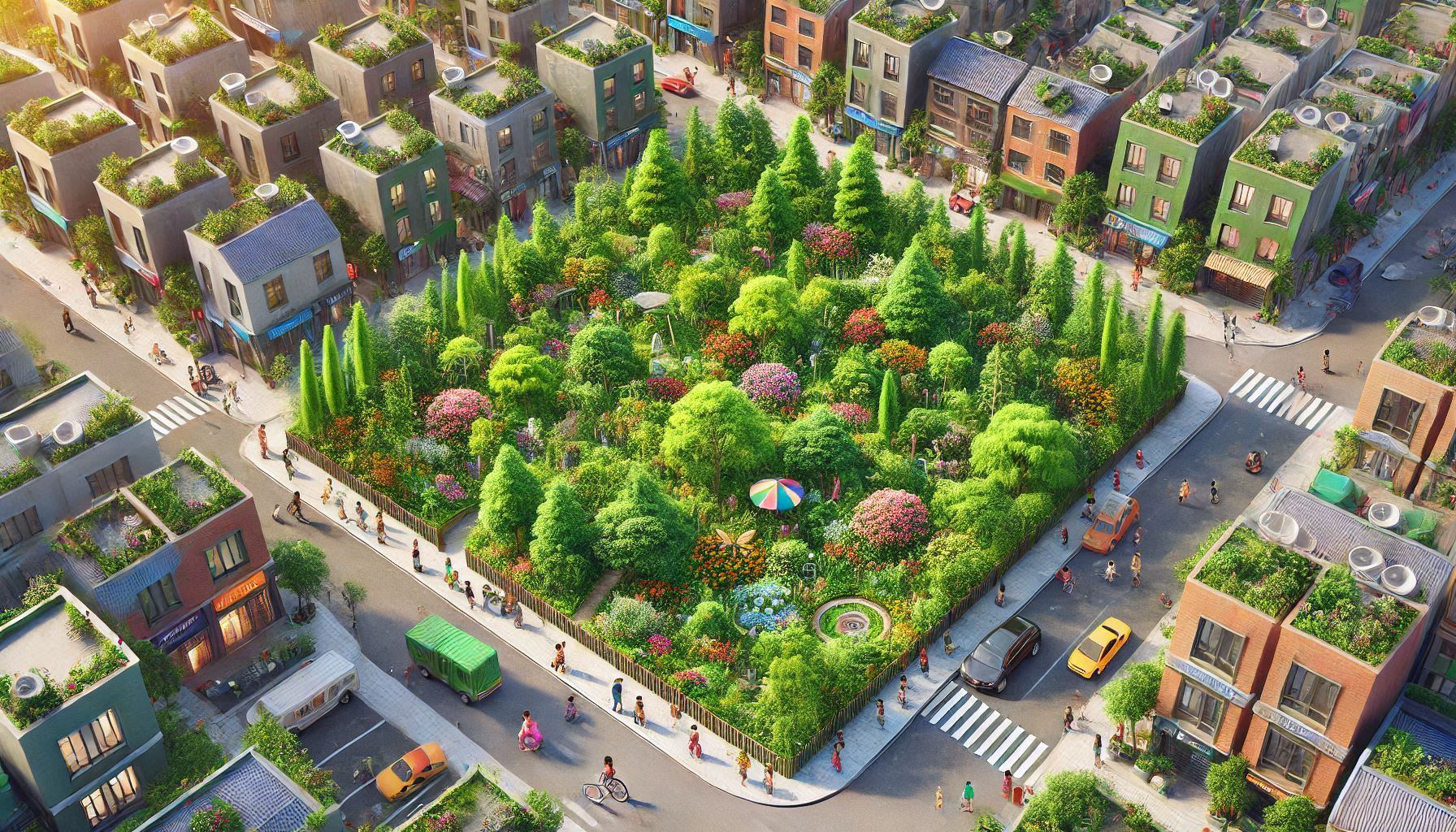
- They are suitable for urban and small spaces, making them a great solution for cities and degraded land.
Benefits
- Biodiversity: Supports a wide range of flora and fauna, creating a balanced ecosystem.
- Climate Action: Absorbs more carbon dioxide compared to monoculture plantations.
- Improved Air Quality: Acts as a natural air filter by absorbing pollutants.
- Cooling Effect: Reduces the heat island effect in urban areas.
- Groundwater Recharge: Enhances soil health and helps retain water.
- Community Engagement: Often involves local communities, promoting environmental awareness.
Criticism or Limitations
- Cost: Initial costs can be higher due to soil preparation and dense planting.
- Space Requirements: Although suitable for small areas, extremely small plots may limit biodiversity.
- Short-Term Dependency: Requires intensive care in the first 2–3 years.
- Lack of Awareness: Some regions may lack knowledge of native species or ecological restoration techniques.
ARSINOE Case Studies