Approve installation of firebreaks
interventions_22.html
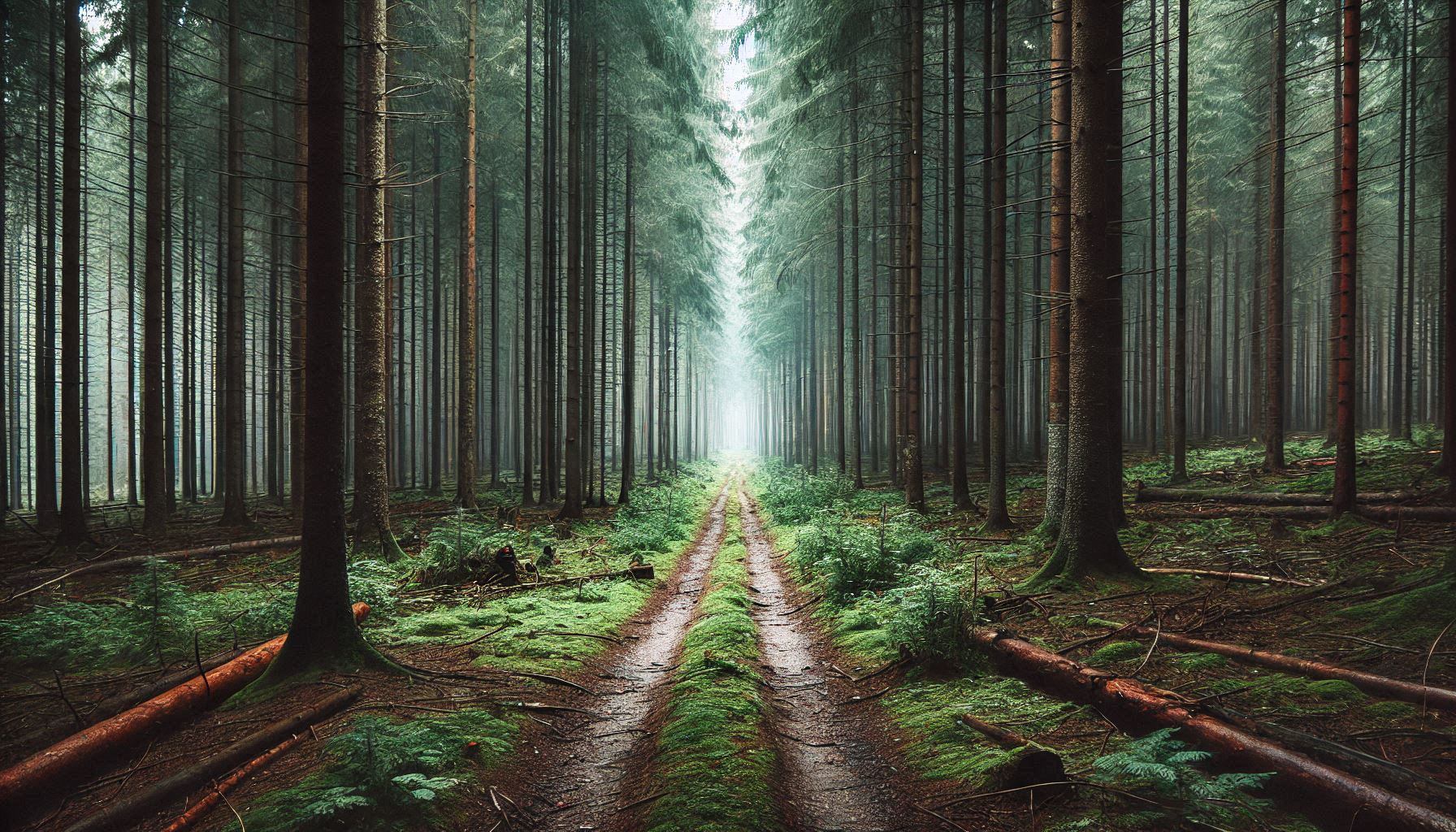
A fire break (or firebreak) is a gap in vegetation or other flammable materials designed to stop or slow the spread of wildfires. These intentional breaks in continuity can prevent fires from advancing into new areas, protect structures, and help firefighters manage and contain wildfires. Fire breaks can be natural, such as rivers and rocky outcrops, or man-made, such as cleared strips of land or roads. With climate change increasing the frequency and intensity of wildfires, fire breaks are becoming a vital tool for wildfire management. However, they need to be part of a broader strategy, including controlled burns, vegetation management, and community preparedness.
Benefits
- Slows or Stops Fire Spread: Fire breaks remove vegetation and other flammable materials, creating a barrier that can slow or stop a wildfire from advancing.
- Protects Structures and Communities: By strategically placing fire breaks around homes, towns, or critical infrastructure, the risk of fire reaching and damaging these areas is reduced.
- Provides Safe Zones for Firefighters: Fire breaks can serve as control lines where firefighters can safely position themselves to combat fires.
- Limits Smoke and Air Pollution: fire breaks help reduce the amount of smoke and harmful particles released into the air.
- Preserves Ecosystems and Wildlife: Properly maintained fire breaks can prevent large-scale habitat destruction, giving wildlife a better chance to escape or survive.
- Supports Controlled Burns: Fire breaks are often used to manage prescribed burns, which help reduce excess vegetation and prevent catastrophic wildfires.
- Enhances Emergency Access: Many fire breaks double as access routes, allowing emergency responders to reach and fight fires more effectively.
Criticism or Limitations
- Effectiveness Depends on Conditions: In extreme fire conditions (e.g., high winds, flying embers), fire breaks may not stop a fire entirely.
- Environmental Impact: Clearing land for fire breaks can disturb ecosystems and wildlife habitats.
- Cost and Maintenance: Building and maintaining fire breaks can be labour-intensive and costly
- Limited Scope: Fire breaks cannot stop all fires, especially those driven by strong winds.