Approve installation of cool roofs
interventions_21.html
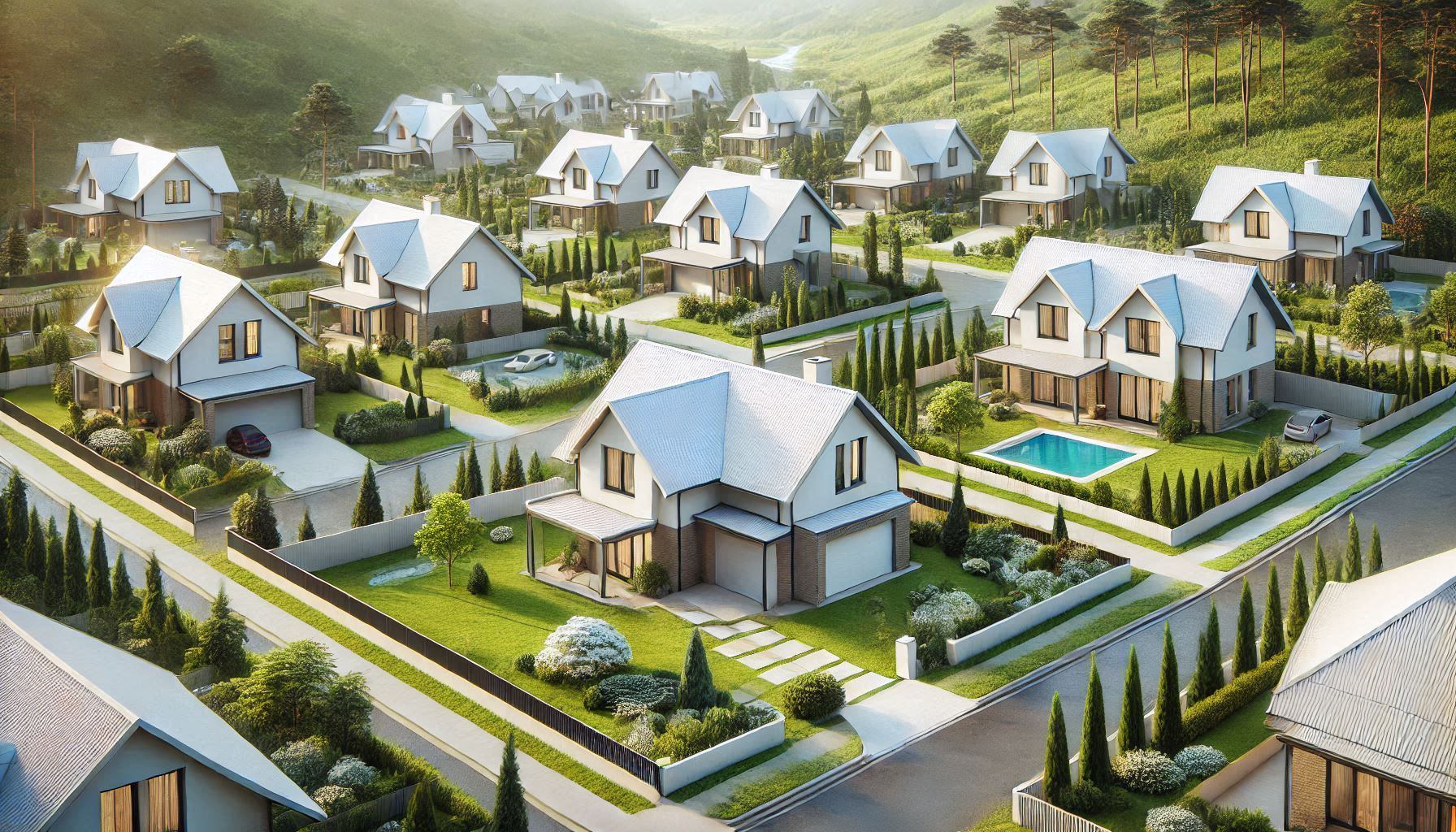
Cool roofs are a roofing system specifically designed to reflect more sunlight and absorb less heat compared to traditional roofs.
These roofs have a high albedo and use highly reflective materials, such as reflective paint, light-coloured tiles, shingles, or specialised coatings, to
reduce heat transfer to the building below. (Green roofs are a hybrid category of a Cool roof). Cool roofs are increasingly becoming part of energy-efficient building design having been adopted in residential, commercial, and industrial buildings, especially in regions with hot climates.
Benefits
- Reducing Energy Costs: Cool roofs reduce the amount of heat that enters a building, decreasing the need for air conditioning, thus helping to save on electricity bills, particularly in hot climates. In effect they reduce the demand for energy, lowering greenhouse gas emissions.
- Outdoor Benefits: They help create cooler environments around buildings, benefiting urban areas, biodiversity and human well-being.
- Mitigating Urban Heat Island (UHI) Effect: In cities, dark roofs contribute to the "heat island effect," where urban areas become significantly warmer than surrounding rural areas. Cool roofs help lower overall temperatures in cities by reducing the amount of heat absorbed by buildings.
- Extending Roof Lifespan: Cool roofs experience less thermal expansion and contraction due to lower temperatures, which reduces wear and tear. There specialised coatings can also make roofs more resistant to weather and UV damage
Criticism or Limitations
- Higher Upfront Costs: Reflective coatings and materials can be more expensive than standard roofing options.
- Limited Benefits in Cold Climates: In colder regions, cool roofs might reduce the natural warming effect during winter, leading to higher heating costs.
- Aesthetic Considerations: Some homeowners or businesses might prefer darker roofs for visual appeal.