Approve nature-based flood protection
interventions_16.html
Nature-based flood protection interventions use natural processes and ecosystems to reduce flood risk while providing environmental and social benefits. These interventions aim to enhance natural water retention, slow water flow, and protect communities from flooding. Examples include; Wetland Restoration, Riparian Buffer Zones, Floodplain Restoration, Reforestation and Afforestation, Coastal Mangroves and Salt marshes and Beaver-Based Restoration.
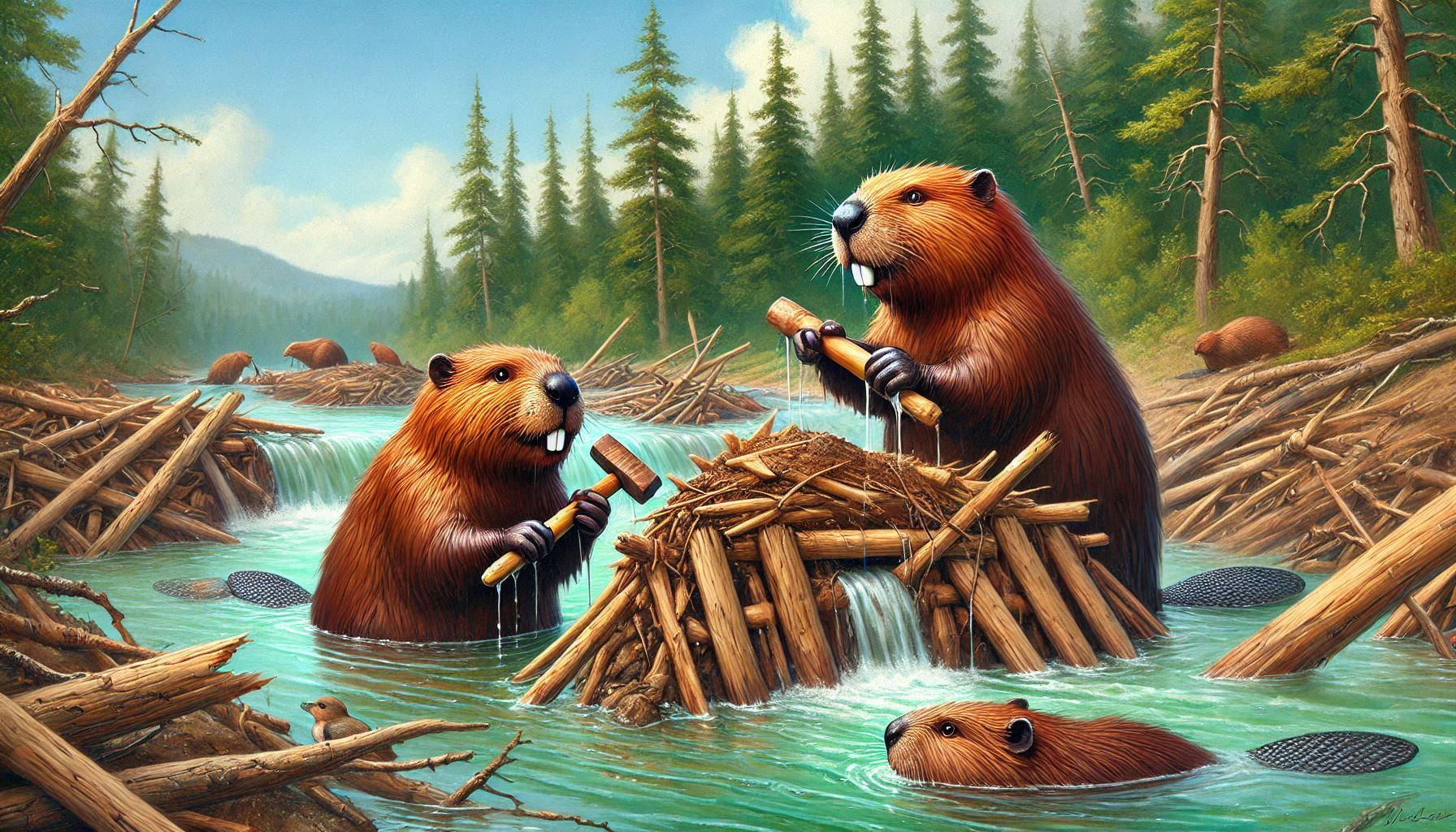
Key Features of Beaver Based Restoration:
- Encourages beaver populations to create natural water storage.
- Slows down water flow and enhances wetland ecosystems.
- Increases groundwater recharge and drought resilience.
- Provide natural alternatives to expensive flood defences and water management systems.
Benefits
- Flood Mitigation: Beavers build dams that slow water flow, creating wetlands that store water during heavy rainfall and release it gradually, reducing flood risk downstream. They also promotes riparian vegetation growth, this helps to stabilise banks and prevent erosion.
- Drought Resistance: Beaver ponds and wetlands store water, replenishing groundwater and maintaining surface water levels during dry periods.
- Habitat Creation: Beaver ponds and wetlands support a wide range of species, including fish, amphibians, birds, and plants. In addition, the organic material trapped within the dams and ponds decomposes, enriching the ecosystem with nutrients.
- Carbon Sequestration: Wetlands created by beavers store large amounts of organic carbon in sediments, reducing greenhouse gas emissions.
- Temperature Regulation: Beaver ponds cool water temperatures, creating climate-resilient habitats for species like salmon that are sensitive to
heat. - Water Quality: Beaver wetlands filter pollutants, sediments, and excess nutrients, improving downstream water quality. They also slow water infiltration replenishes aquifers, and groundwater sources providing sustainable water sources for humans and ecosystems.
- Ecotourism: The presence of beaver habitats attracts visitors and promotes wildlife tourism.
- Community Resilience: Helps foster community well-being and enhances local adaptation to environmental challenges.
Criticism or Limitations
- Coexistence: Examples include: (i) Beavers can sometimes damage infrastructure, (ii) Beaver dams may flood roads, farmland, or homes. (iii) Beavers cut down trees for dam building, which may impact forests or landowners. Beavers may build dams may block culverts and create drainage issues.
- Fish Populations: While beaver ponds benefit some fish, others (e.g., migratory salmon) may struggle with blocked passages.
- Reintroduction Efforts: In areas where beavers were previously eradicated, reintroduction programs require careful planning and will not provide instant results. i.ee Beavers might need to be relocated or dams modified.