Drought Digital Twin
interventions_13.html
A Drought Digital Twin is a virtual replica of real-world water systems that simulates and predicts drought conditions using real-time data, AI, and advanced modelling. It helps governments, researchers, and water managers make informed decisions about water resource management, drought mitigation, and climate adaptation.
Key Features of a Drought Digital Twin:
- Real-Time Data Integration – Uses satellite imagery, weather sensors, and hydrological data to update simulations.
- Predictive Modelling & AI Forecasts – Simulates future drought scenarios based on climate models and historical trends.
- Scenario Planning & Risk Analysis – Tests different drought response strategies (e.g., water restrictions, reservoir management).
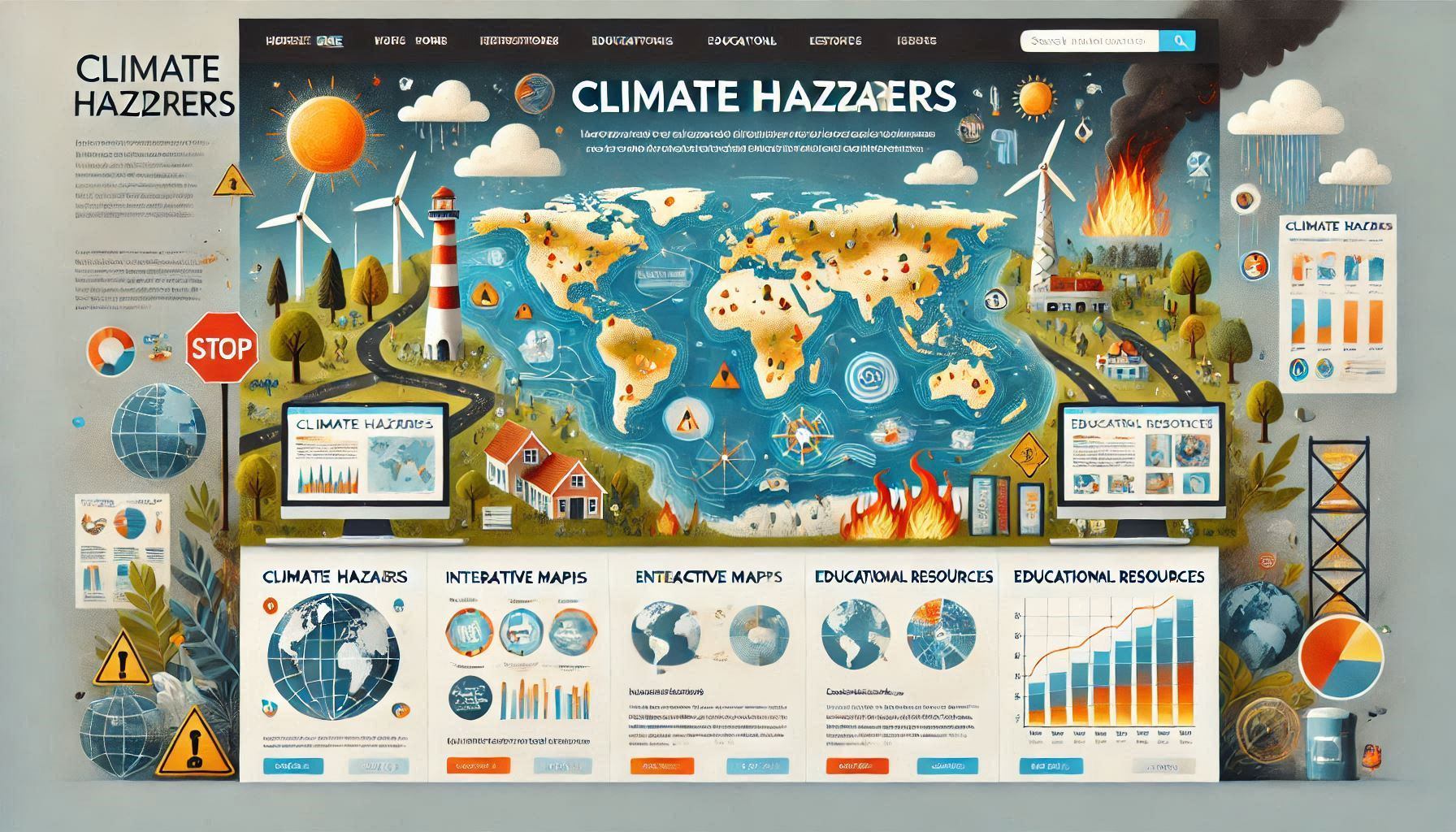
- Visualization & Interactive Mapping – Provides 3D maps, dashboards, and real-time drought severity reports.
- Policy & Decision Support – Helps governments and industries optimize water use, plan for drought emergencies, and implement conservation measures.
Benefits
- Early Warning & Forecasting – Predicts droughts weeks, months, or even years in advance.
- Better Water Management – Helps authorities allocate water efficiently and prevent shortages.
- Climate Change Adaptation – Models long-term climate impacts on water resources.
- Cost Savings – Reduces economic losses by preventing crop failures and water crises.
- Public Awareness & Transparency – Provides open data access for policymakers, businesses, and citizens.
Criticism or Limitations
- High Implementation Costs – Requires advanced computing infrastructure and expertise.
- Data Accuracy & Availability – Incomplete or outdated data can impact model reliability.
- Technical Complexity – Requires specialists to interpret results and integrate with existing systems.
- Policy & Regulatory Barriers – Adoption depends on government and industry willingness to invest in digital solutions.
Real-life examples in the UK
ARSINOE Case Studies