Smart irrigation programme
interventions_11.html
A smart irrigation program is a water management system that uses advanced technology to optimise water usage in agriculture, landscaping, and urban green spaces. It relies on real-time data, sensors, and automation to improve efficiency and reduce water waste.
Key Features of Smart irrigation Programs:
- Soil Moisture Sensors – Measure soil water levels and adjust irrigation accordingly.
- Weather-Based Irrigation – Uses real-time weather forecasts to prevent overwatering during rainy periods.
- Automated Systems – Smart controllers adjust water flow based on plant needs, reducing human intervention.
- Drip & Precision Irrigation – Delivers water directly to plant roots, minimising evaporation and runoff.
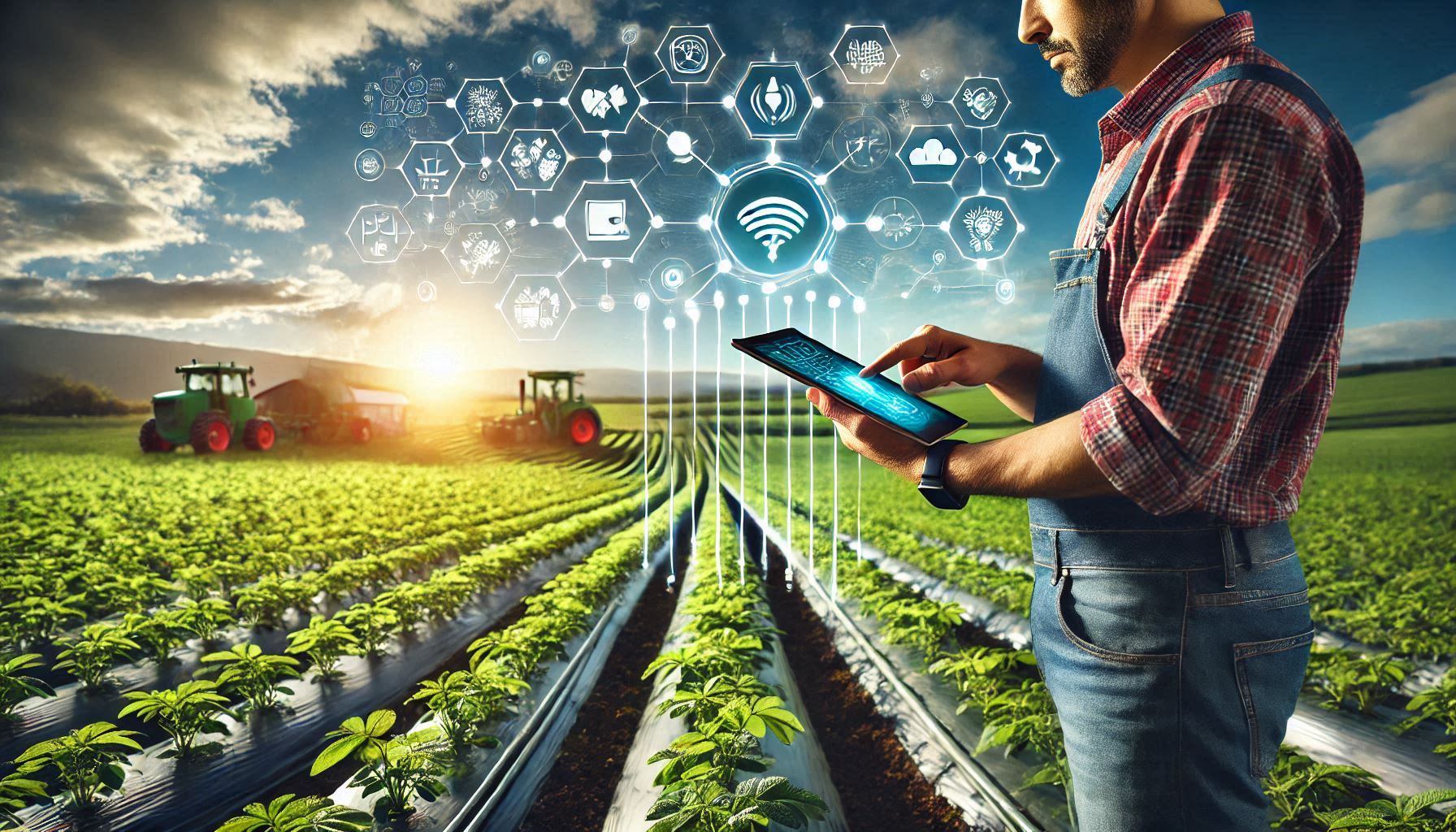
- IoT & Remote Monitoring – Farmers and landscapers can track and control irrigation via mobile apps.
Benefits
- Water Conservation – Reduces unnecessary watering, saving significant amounts of water.
- Higher Crop Yields & Plant Health – Provides optimal hydration for crops, improving productivity.
- Cost Savings – Lowers water bills for farmers, homeowners, and municipalities.
- Reduced Environmental Impact – Prevents overuse of groundwater and reduces fertiliser runoff into water bodies.
- Automation & Convenience – Minimises manual labour and allows remote control of irrigation systems.
Criticism or Limitations
- High Initial Cost – Sensors, controllers, and installation can be expensive.
- Technical Knowledge Required – Farmers and users must understand how to operate and maintain the system.
- Connectivity Issues – Remote farms may struggle with data transmission if internet access is limited.
- Power Dependency – Some systems require electricity, which may not be accessible in all locations.
ARSINOE Case Studies