Install smart water meters
interventions_10.html
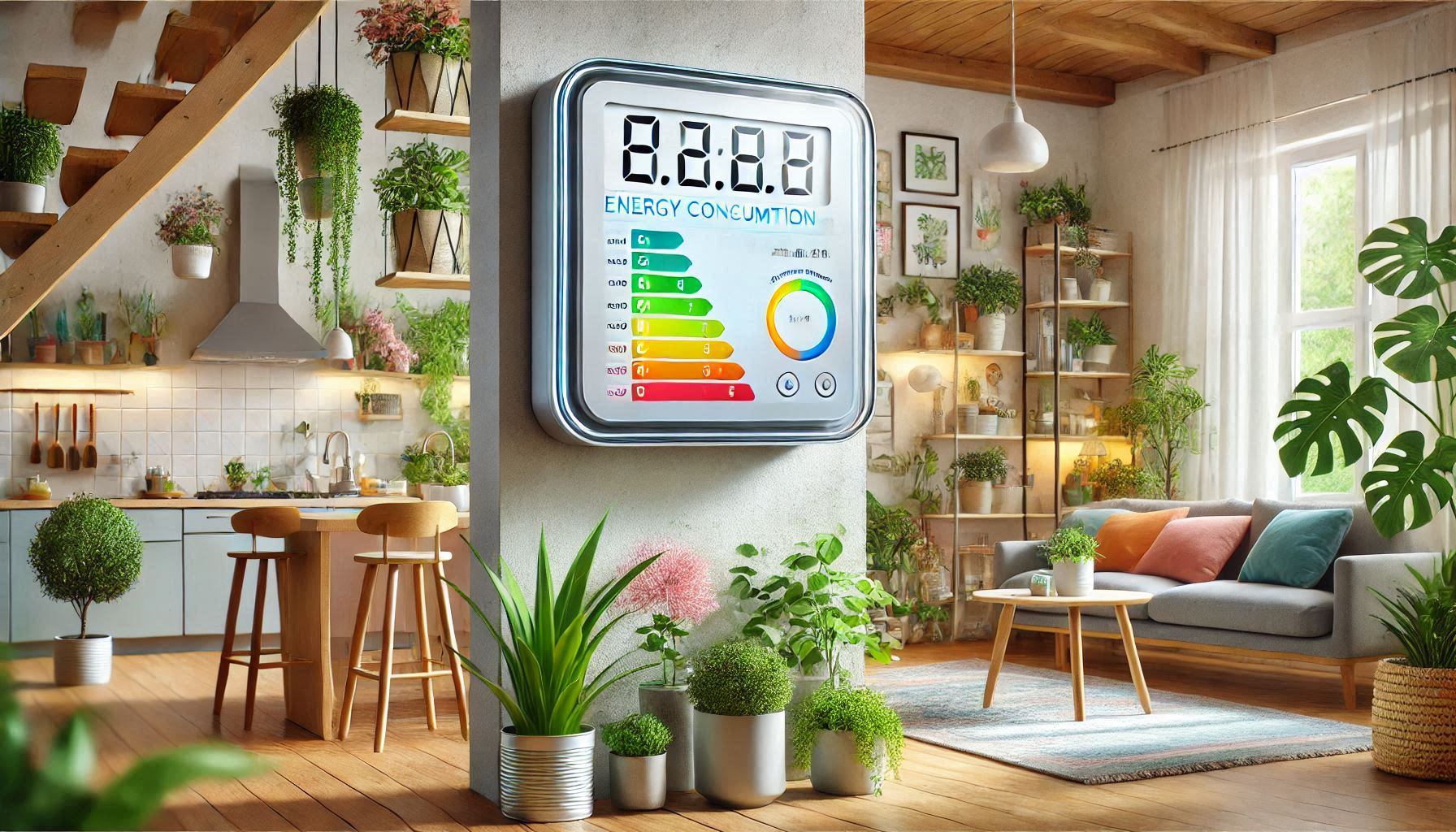
A smart water meter is a digital device that automatically measures and transmits water consumption data in real time. Unlike traditional water meters, which require manual readings, smart meters use wireless technology to send usage data to utilities and consumers.
How do they work?
- Sensors Measure Water Usage: The meter records water flow through a property’s pipes.
- Data Transmission: Data is sent via wireless networks (e.g., Wi-Fi, cellular, or radio signals) to water suppliers.
- Real-Time Monitoring Customers and utilities can track water consumption through online dashboards or mobile apps.
- Leak Detection & Alerts – The system can detect unusual water usage patterns (e.g., leaks or bursts) and will send notifications.
Benefits
- Accurate Billing: Eliminates manual meter reading errors, ensuring fair charges.
- Remote Monitoring & Control: No need for manual readings; users can track usage via apps.
- Leak Detection & Water Conservation: Alerts users to leaks or excessive usage, reducing waste.
- Encourages Sustainable Use: Consumers can see their water habits and adjust for efficiency.
- Supports Water Utility Management: Helps utilities detect system leaks, manage demand, and plan infrastructure upgrades
Criticism or Limitations
- High Initial Cost: Expensive to install and upgrade existing infrastructure.
- Privacy & Security Concerns: Wireless data transmission may be vulnerable to cyber threats.
- Reliability Issues: Connectivity problems in remote areas may affect data transmission.
- Consumer Resistance: Some people worry about surveillance or increased charges