Build A Reservoir
interventions_07.html
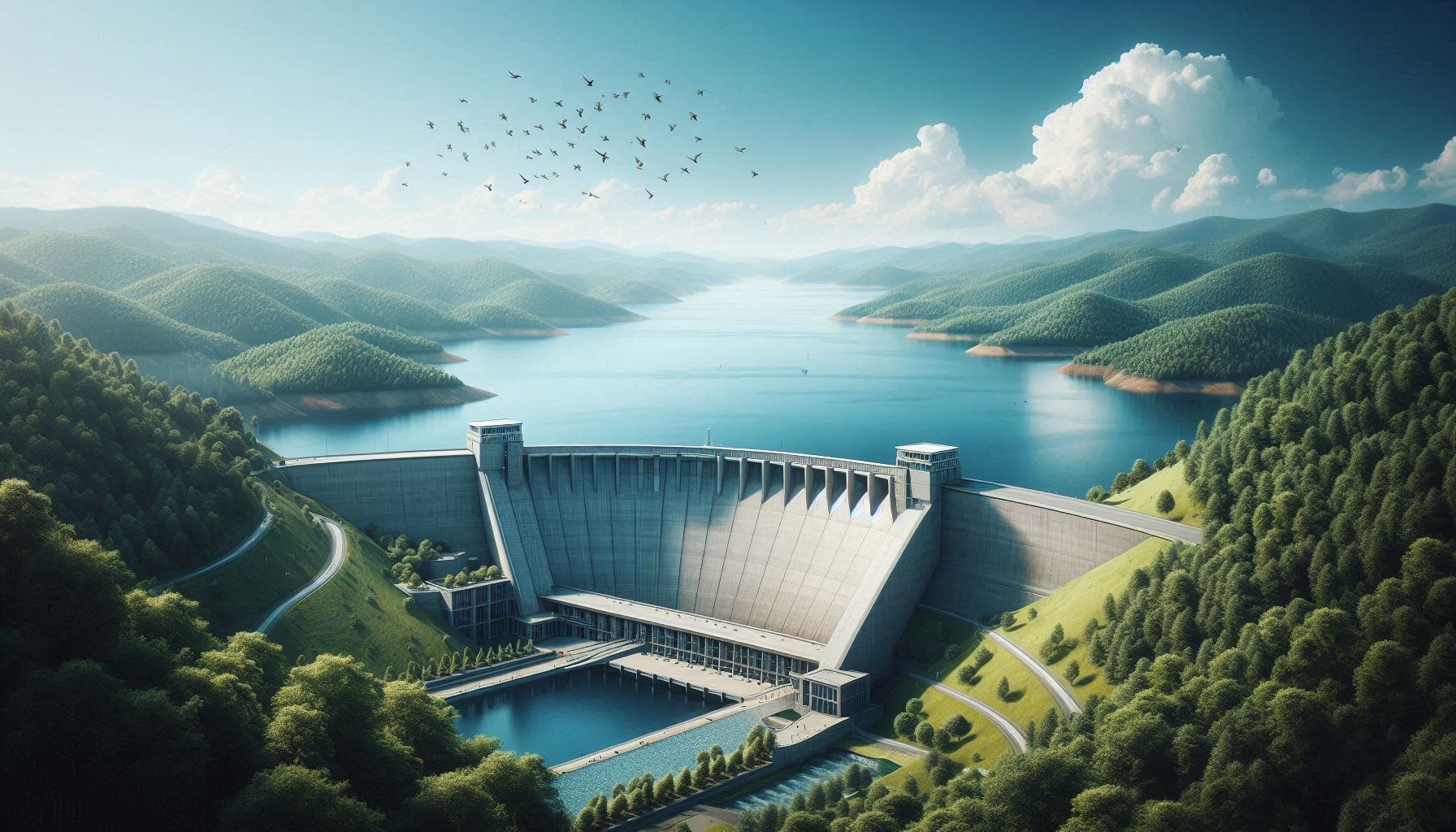
A reservoir is an artificial or natural water storage system designed to collect and store water for various purposes, including drinking water supply, irrigation, flood control/defence, hydroelectric power generation, industrial use, and recreational activities. Reservoirs are often created by constructing dams across rivers, but they can also be formed in natural basins or by excavating large areas of land.
Benefits
- Economic Development: Reservoirs help support agriculture, hydroelectric power, and tourism, contributing to economic growth.
- Improved Water Supply: They provide a stable water source for human consumption, irrigation, and industry.
- Flood Control: Reservoirs help regulate water flow, reducing the risk of downstream flooding.
- Renewable Energy: Many reservoirs generate hydroelectric power, offering a sustainable energy source.
- Habitat Restoration Efforts: Some projects include fish passages and environmental management to reduce ecological damage.
Criticism or Limitations
- Displacement of Ecosystems: Reservoirs flood large areas, altering natural water flow and displacing wildlife and human communities
- Water Quality Issues: If unmanaged, stagnant water can lead to algae blooms and oxygen depletion, harming aquatic life.
- Sedimentation: Over time, accumulated sediments reduce reservoir storage capacity and degrade water quality.
- Displacement of People: Local communities may be forced to relocate, leading to social and economic disruptions.
- Changing Water Demands: Population growth increases pressure on reservoirs, leading to management challenges.
- Climate Change Impact: Altered rainfall patterns and increased evaporation make reservoirs less reliable over time.